Learn how to choose the right family electric vehicle by understanding the differences between SUVs and crossovers
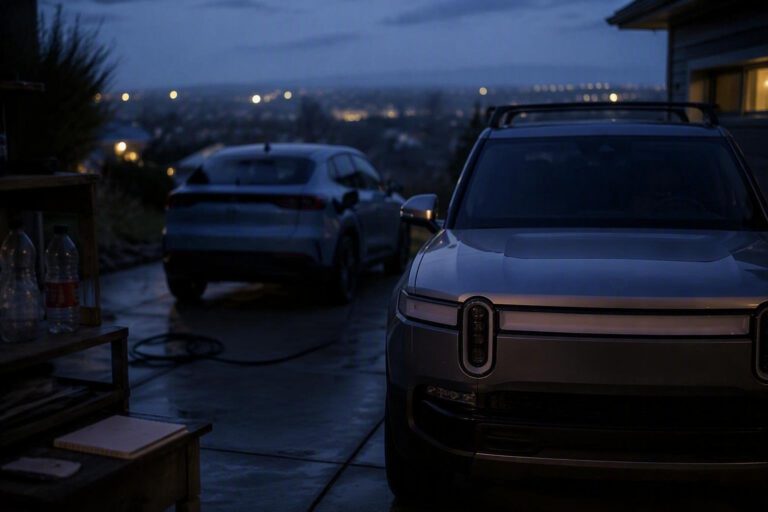
When it comes to choosing a family electric vehicle, two popular options are SUVs and crossovers. SUVs are known for their spacious interior, high ground clearance, and rugged design, making them a great choice for families who need a vehicle that can handle rough terrain and provide ample space for passengers and cargo.
On the other hand, crossovers offer a more car-like design, better fuel efficiency, and a lower price point, making them an attractive option for families who prioritize practicality and affordability.
One of the main differences between SUVs and crossovers is their ride height.
SUVs typically have a higher ground clearance, which can be beneficial for families who live in areas with rough roads or need to navigate through rugged terrain. However, this higher ride height can also make SUVs more difficult to handle and park in tight spaces.
Crossovers, on the other hand, have a lower ride height, which can make them easier to handle and park, but may not provide the same level of clearance as an SUV.
Efficiency and cargo volume
Another key difference between SUVs and crossovers is their efficiency and cargo volume. SUVs tend to be less fuel-efficient than crossovers, but they often provide more cargo space and passenger room. Crossovers, on the other hand, are generally more fuel-efficient, but may have less cargo space and passenger room. For families who need to transport a lot of gear or have multiple children, an SUV may be a better choice. However, for families who prioritize fuel efficiency and have fewer passengers, a crossover may be a better option.
Insurance costs and test drives
When choosing between an SUV and a crossover, it’s also important to consider insurance costs. Generally, SUVs tend to be more expensive to insure than crossovers, due to their higher value and increased risk of damage. However, insurance costs can vary depending on a number of factors, including the vehicle’s make and model, the driver’s history, and the location where the vehicle is registered. To get a better sense of the insurance costs for a particular vehicle, it’s a good idea to test drive the vehicle and research insurance quotes from multiple providers.
Decision trees for different lifestyles
Ultimately, the decision between an SUV and a crossover will depend on a family’s specific needs and lifestyle. For urban families who prioritize fuel efficiency and practicality, a crossover may be a better choice. For suburban families who need more cargo space and passenger room, an SUV may be a better option. And for student families who are on a budget and need a reliable vehicle for daily use, a crossover may be the most affordable and practical choice.
To make the decision-making process easier, here is a checklist of factors to consider when test driving an SUV or crossover:
- Rear-seat space and comfort
- Pram fit and accessibility
- Charging port placement and convenience
- Ground clearance and handling
- Fuel efficiency and estimated costs