Learn practical, safe techniques to steer hydrangea blooms toward blue, pink or purple by adjusting soil chemistry and testing before you act
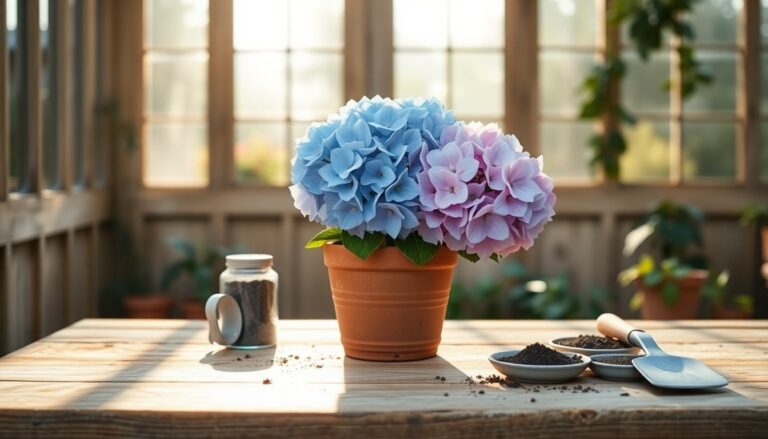
The colour of many hydrangea blooms isn’t fixed at purchase; it can change as the plant grows. Gardeners often notice a mophead or lacecap moving from pink to blue or settling into purple tones, and the reason is buried in the earth beneath the pot or border.
The key drivers are soil pH and the availability of aluminium, and understanding those elements lets you influence the palette your plants display.
Before making any adjustments it helps to know which hydrangeas respond to soil changes. Not every species will shift colour.
The varieties most likely to change are the bigleaf types, such as Hydrangea macrophylla and Hydrangea serrata. White cultivars and other species like paniculata or arborescens rarely alter their petal tint no matter what you do to the soil.
What controls hydrangea colour?
At the heart of the transformation is the interaction between plant pigments and minerals in the soil. Acidic conditions free up aluminium, making it more available for root uptake; when roots take up this element it can bind with the flower pigments and push the hue toward blue. In contrast, alkaline soils lock aluminium away so petals tend to be pink. When the soil sits near neutral your hydrangeas often show purple or mixed tones as pigment chemistry balances between the two extremes. Understanding this chemistry allows gardeners to move blooms in either direction on the colour spectrum.
Another factor to remember is that the effect acts on developing buds, not on open flowers. That means any soil work or additives you apply will influence future blooms rather than instant changes on current flowers. Because of this, timing and consistency matter: gradual, controlled shifts in the soil are healthier for the plant and more likely to give predictable results.
Safe methods to shift bloom colour
Making blooms blue
To encourage blue flowers aim to increase soil acidity and make aluminium available. Reliable options include applying aluminium sulphate according to product instructions, top-dressing with ericaceous compost, or using organic acidifiers such as used coffee grounds in moderation. These approaches gently lower soil pH and help free aluminium for uptake. Avoid home remedies like burying rusty nails: they are unsafe in mixed borders, offer little effective soluble metal and can pose hazards to people and wildlife. Use targeted products that are measured and designed for gardening instead.
Encouraging pink flowers
If you prefer pink shades the goal is the opposite: reduce aluminium availability by raising the pH. Small, staged applications of garden lime will move soil toward alkaline and help lock aluminium into less soluble forms. Choosing a fertiliser higher in phosphorus can also discourage aluminium uptake by the plant and support clearer pink tones. In chalky or very alkaline ground, consider growing hydrangeas in containers filled with ericaceous compost so you have easier control over the root environment.
Timing, testing and practical tips
Changes are not instantaneous. Most gardeners should expect at least one full growing season before seeing a reliable shift in bloom colour because buds respond to the soil conditions they develop in. Before adding anything, perform a simple soil pH test; kits are inexpensive and prevent overcorrection that could stress the plant. Make adjustments gradually and monitor your plant’s vigour—slow, modest changes preserve health and give the most consistent colour outcomes.
In summary, the colour of many hydrangeas is a conversation between pigment and soil chemistry. By identifying responsive varieties, testing the soil, and choosing safe amendments like aluminium sulphate, ericaceous compost or garden lime, gardeners can nudge blooms toward blue, pink or purple while keeping plants healthy and borders safe.