Discover the key differences between hybrid, electric, and e-fuel vehicles and how to choose the best option for your needs
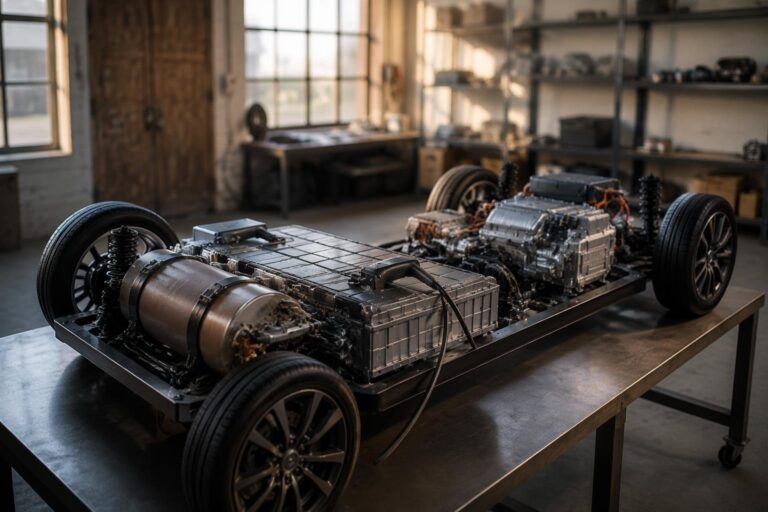
The automotive industry is undergoing a significant transformation with the rise of alternative fuel vehicles. Hybridelectric and e-fuel vehicles are becoming increasingly popular, but what are the key differences between them? In this article, we will delve into the world of future cars and explore the pros and cons of each option.
Generally, hybrid vehicles combine a conventional internal combustion engine with an electric motor, offering improved fuel efficiency and reduced emissions. Electric vehicles on the other hand, are powered solely by electric motors and batteries, providing zero tailpipe emissions and lower operating costs.
E-fuel vehicles also known as synthetic fuel vehicles, use a combination of renewable energy and carbon capture technology to produce a synthetic fuel that can be used in conventional internal combustion engines.
Comparing Tech Stacks
When it comes to tech stacks, hybrid vehicles typically require a more complex system, including both a conventional engine and an electric motor.
Electric vehicles by contrast, have a simpler tech stack, with a focus on battery management and electric motor control. E-fuel vehicles on the other hand, require a sophisticated system for producing and processing synthetic fuel.
Costs and Emissions
In terms of costs, hybrid vehicles are generally more expensive than conventional vehicles, but offer improved fuel efficiency and lower emissions. Electric vehicles are typically more expensive than hybrid vehicles, but offer zero tailpipe emissions and lower operating costs. E-fuel vehicles are still in the early stages of development, but promise to offer a more sustainable alternative to conventional fuels.
Use Cases and Charging Speeds
When it comes to use cases, hybrid vehicles are well-suited for urban driving, where the electric motor can assist the conventional engine. Electric vehicles are ideal for longer trips, where the battery can be charged at dedicated charging stations. E-fuel vehicles are still in the early stages of development, but promise to offer a more sustainable alternative to conventional fuels for long-distance driving.
Policy Pathways and Decision Matrices
For urban drivers, a hybrid vehicle may be the best option, offering improved fuel efficiency and lower emissions. For suburban drivers, an electric vehicle may be the better choice, with access to dedicated charging stations and lower operating costs. For rural drivers, an e-fuel vehicle may be the most practical option, with the ability to refuel at conventional gas stations.