A deep dive into Mercedes’s E‑Class and C‑Class convertibles, covering roof tech, interior luxury, engines and ownership pitfalls.
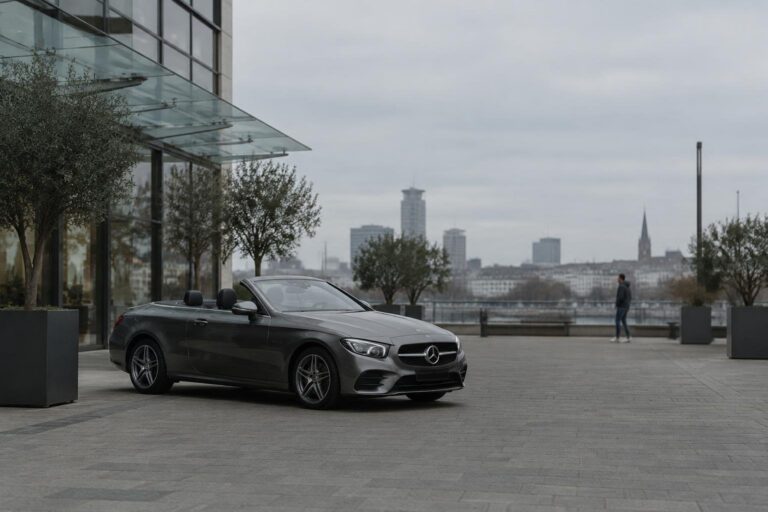
The Mercedes E-Class Cabriolet re-entered the market in 2010 as a direct answer to the lukewarm reception of the CLK-based drop-top. After a 2013 facelift the model gained a more muscular stance, a thicker insulated fabric top and a range of efficient diesel and petrol powertrains.
Its sibling, the C-Class Cabriolet, arrived later and received a 2018 refresh that added newer engines, a larger 10.3-inch infotainment screen and optional air suspension. Both cars aim to blend the executive-class feel of their sedan counterparts with the pleasure of open-air motoring, positioning them as premium alternatives to the Audi A5 and BMW 4-Series convertibles.
Roof architecture and practicality
Mercedes chose a multi-layer fabric roof for both convertibles, steering clear of the heavy metal mechanisms seen on many rivals. The textile is 23.5 mm thick, acoustically tuned and heat-insulated, delivering quieter cabins and better thermal comfort.
With a single press of a button located between the seats, the roof folds into a compact tonneau compartment in roughly 20 seconds, even at speeds up to 25 mph. While the mechanism is swift, it does intrude on luggage capacity: trunk volume drops from 390 L to about 300 L once the top is hidden, limiting storage to weekend bags unless the rear seats are folded flat.
Interior ambience and technology
Inside, the cabin reflects the E-Class pedigree. Seats sit slightly lower than in the sedan, giving a sportier driving position while a higher waistline wraps occupants in a cocoon-like feel. The “belt-butler” – a motorised arm that hands the seatbelt to the driver – adds a theatrical touch that underscores Mercedes’s commitment to luxury. Standard materials include leather-ette upholstery, polished wood trims and metal accents. The 2018 C-Class update introduced a 10.3-inch MBUX display (with an optional 12.3-inch digital cockpit), replacing the older 8.4-inch unit. Though the interior may not feel as solid as the Audi’s, the abundance of tactile switches and glossy finishes keeps the ambience upscale. Rear-seat space accommodates two adults comfortably for short trips, and the rear bench folds forward to expand the boot, a rarity among convertible rivals.
Powertrains, reliability and ownership costs
Engine options span from a 1.5-litre mild-hybrid petrol unit delivering modest power and ~44 mpg (UK) fuel consumption, to a 2.0-litre turbo-charged petrol and a 2.0-litre diesel delivering up to 194 hp and around 50 mpg. The most spirited choice is the AMG-tuned C-Class C43 with a 2.0-litre twin-turbo V6 producing 390 hp and 0-62 mph in 4.8 seconds, albeit at the cost of fuel efficiency (≈25 mpg). All models come with a nine-speed automatic gearbox that shifts smoothly, though paddle-shift response lags slightly behind rivals. Reported reliability issues are limited but include occasional roof-motor failures, occasional battery drain when the vehicle sits idle (often linked to a constantly running engine fan), frozen door locks and occasional dashboard rattles. Maintaining a full Mercedes dealer service history is crucial, as warranties hinge on authorised servicing. Common replacement-part costs for the 2013 E-Class include about £375 for a factory exhaust, £295 for a clutch, £250 for a starter, £500 for an alternator, and £30-£35 per set of brake pads.
Overall, the Mercedes convertibles target buyers over 50 seeking a refined, year-round drop-top rather than a razor-sharp roadster. Their handling is competent, especially with optional air suspension, but they prioritize comfort over outright agility. With a five-star Euro NCAP rating, numerous safety aids (cruise control, autonomous emergency braking) and a reputation for lasting quality, they remain attractive options in the pre-owned market for those who value executive-class luxury above sheer sportiness.