Italy's beaches are a vibrant mix of private lidos and public spaces, but the balance is shifting. Discover the fight to preserve public access and the unique challenges faced by coastal towns.
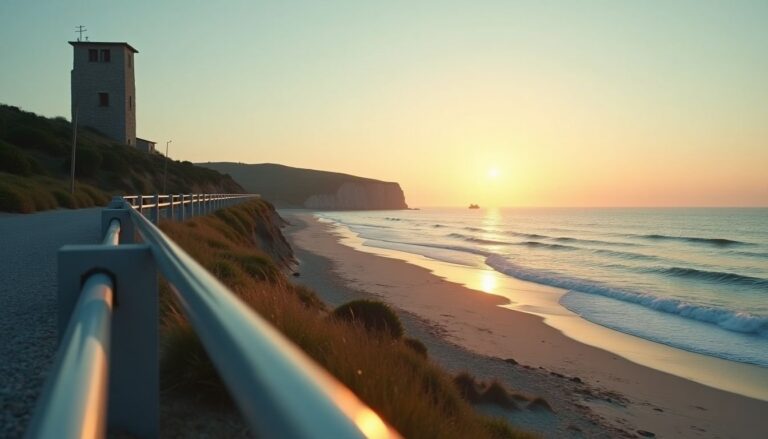
Italy’s coastline is a vibrant tapestry of private and public beaches, each offering a distinct experience. The country’s famous bagni or lidos, are known for their orderly arrangement and stylish amenities. However, the increasing privatization of these spaces has sparked a heated debate about public access and the future of Italy’s beaches.
The Mare Libero (Free Sea) campaign and environmental organizations like Legambiente are at the forefront of this battle. They argue that the privatization of beaches is transforming these natural spaces into exclusive resorts, often at the expense of public enjoyment.
The Privatization of Italy’s Beaches
According to a 2026 report from Legambiente, approximately 43% of Italy’s sandy coasts are now occupied by private businesses. In some regions, such as Tuscany and Romagna, the privatization is even more pronounced.
For example, in Forte dei Marmi, 94% of the town beachfront is rented to resorts. Nearby, in Pietrasanta and Camaiore, the figures are 98.8% and 98.4% respectively.
The privatization of beaches is not just an issue of access; it’s also a matter of safety and cleanliness. Private lidos often have lifeguards, restrooms, and regular cleaning services. In contrast, public beaches, or spiaggia libera are often located in less attractive areas and may lack these amenities. This disparity has led to calls for a more balanced approach to beach management.
The Fight for Public Access
The fight for public access to Italy’s beaches is being led by activists and local officials. In Bacoli, a town on the Gulf of Naples, Mayor Josi Gerardo Della Ragione has been a vocal advocate for reclaiming public spaces. He has described the privatization of beaches as a form of clientelistic control, where access is often restricted to friends and acquaintances.
Della Ragione’s efforts have included dismantling illegal buildings on public land and transforming seized properties into public parks. One such property, Villa Ferretti, was seized by the Italian Anti-Mafia Investigation Division and transferred to the municipality of Bacoli. The town council transformed the beach and garden into a public park, restoring access to the beach and leasing the villa to the University of Naples Federico II.
The battle for public access is not limited to Bacoli. In Naples, the Mare Libero campaign has been instrumental in reclaiming access to beaches like Donn’Anna. Through sit-ins and legal action, they successfully removed a gate that had restricted access to the beach since 1999. This victory is a testament to the power of grassroots activism and the importance of public engagement.
The Broader Implications
The debate over beach privatization is part of a larger discussion about overtourism and the preservation of natural spaces. Italy’s coastline is a valuable resource, both for its natural beauty and its economic potential. However, the increasing demand for beach access and the pressure to maximize profits have created a complex set of challenges.
Local officials and activists are calling for a more sustainable approach to beach management. This includes ensuring that a significant portion of the coastline remains public, investing in the maintenance and cleanliness of public beaches, and promoting responsible tourism practices. The goal is to create a balance that allows everyone to enjoy Italy’s beautiful beaches while also protecting these spaces for future generations.
The fight for Italy’s beaches is ongoing, but the efforts of activists and local officials are making a difference. By raising awareness and advocating for change, they are helping to preserve public access to these precious natural resources.