

Discover the key factors to consider when choosing between hybrid, electric, and plug-in hybrid vehicles, including climate impact, battery warranties, and resale factors
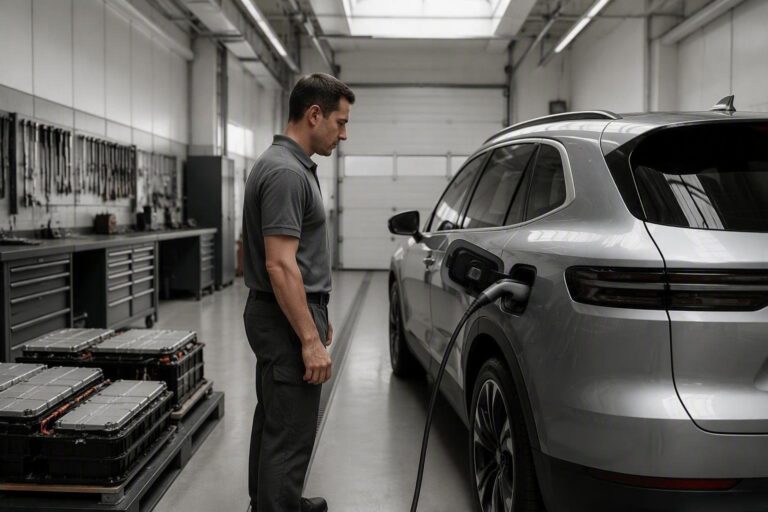
When it comes to choosing a vehicle, one of the most important decisions is the type of powertrain to opt for. With the increasing popularity of hybridelectric and plug-in hybrid vehicles, it can be overwhelming to decide which one is right for you.
In this article, we will delve into the total cost of ownership, charging needs, and range realities for each type of vehicle, as well as their climate impact, battery warranties, and resale factors.
Firstly, it’s essential to understand the differences between hybridelectric and plug-in hybrid vehicles.
Hybrid vehicles use a combination of a conventional engine and an electric motor to achieve better fuel efficiency. Electric vehicles, on the other hand, are powered solely by electricity from a battery and do not have a conventional engine. Plug-in hybrid vehicles, also known as PHEVs, have a larger battery than hybrid vehicles and can be charged from an external power source.
Total cost of ownership
The total cost of ownership is a critical factor to consider when choosing a vehicle. Hybrid vehicles tend to be more expensive than conventional vehicles, but they offer better fuel efficiency, which can lead to long-term savings. Electric vehicles, while often more expensive than hybrid vehicles, have lower operating costs due to the lower cost of electricity compared to gasoline. Plug-in hybrid vehicles offer a balance between the two, with lower operating costs than hybrid vehicles but higher than electric vehicles.
Charging needs and range realities
Charging needs and range realities are also essential considerations. Electric vehicles require access to charging infrastructure, which can be a limitation for long road trips. Plug-in hybrid vehicles, on the other hand, have a conventional engine as a backup, which eliminates range anxiety. Hybrid vehicles do not require charging infrastructure, but they may not offer the same level of fuel efficiency as electric or plug-in hybrid vehicles.
Climate impact and battery warranties
The climate impact of a vehicle is another critical factor to consider. Electric vehicles produce zero tailpipe emissions, making them an attractive option for environmentally conscious consumers. Hybrid and plug-in hybrid vehicles, while not as environmentally friendly as electric vehicles, still offer better fuel efficiency than conventional vehicles. Battery warranties are also an essential consideration, as they can affect the Most manufacturers offer an 8-year/100,000-mile warranty on their batteries.
Resale factors and decision trees
Resale factors are also important to consider, as they can affect the Electric vehicles tend to hold their value better than hybrid vehicles, but plug-in hybrid vehicles are gaining popularity and may offer better resale value in the future. To make an informed decision, it’s essential to consider your specific needs and circumstances. For city drivers, electric vehicles may be the best option due to their low operating costs and zero tailpipe emissions. For commuters, plug-in hybrid vehicles may offer the best balance between fuel efficiency and range. For road-trippers, hybrid vehicles may be the best option due to their lack of range anxiety and lower upfront costs.
