Discover the effects of SUVs on the climate and explore options for greener family cars, including electric and hybrid vehicles, in our in-depth guide
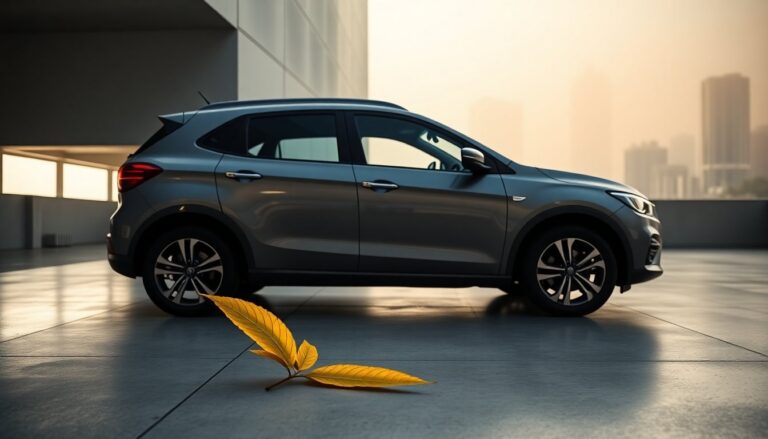
The topic of sport utility vehicles (SUVs) and their impact on the environment has become increasingly important in recent years. SUVs are a popular choice for family transportation due to their spacious interiors and versatility. However, their large size and weight result in higher emissions and fuel consumption, contributing to climate change.
Generally, SUVs are more harmful to the environment than smaller vehicles, such as estates or hatchbacks. This is because they require more energy to produce and transport, and they emit more greenhouse gases during operation. Additionally, SUVs often have larger tyres which can increase drag and reduce fuel efficiency.
Understanding the impact of SUVs on the environment
To understand the environmental impact of SUVs it is essential to consider their weightsize and fuel consumption. Typically, larger and heavier vehicles require more fuel to operate, resulting in higher emissions. Furthermore, the production of SUVs requires more resources and energy than smaller vehicles, contributing to their
Alternatives to traditional SUVs
For those looking for a greener alternative to traditional SUVs there are several options available. Battery electric vehicles (BEVs) and plug-in hybrid electric vehicles (PHEVs) offer a more environmentally friendly option, with lower emissions and fuel consumption. Additionally, estates and hatchbacks can provide a more fuel-efficient and environmentally friendly alternative to SUVs.
Calculating the total cost of ownership
When choosing a vehicle, it is essential to consider the total cost of ownership (TCO). This includes not only the purchase price but also fuel costsmaintenance costs and emissions costs. By calculating the TCO, individuals can make a more informed decision about which vehicle is the most cost-effective and environmentally friendly option for their needs.
Conclusion
However, there are alternatives available, such as BEVsPHEVs and estates which offer a more environmentally friendly option. By considering the TCO and the environmental impact of a vehicle, individuals can make a more informed decision about which vehicle is the best choice for their needs.