SUVs are changing the face of urban transportation, but what are the consequences for city living and the environment?
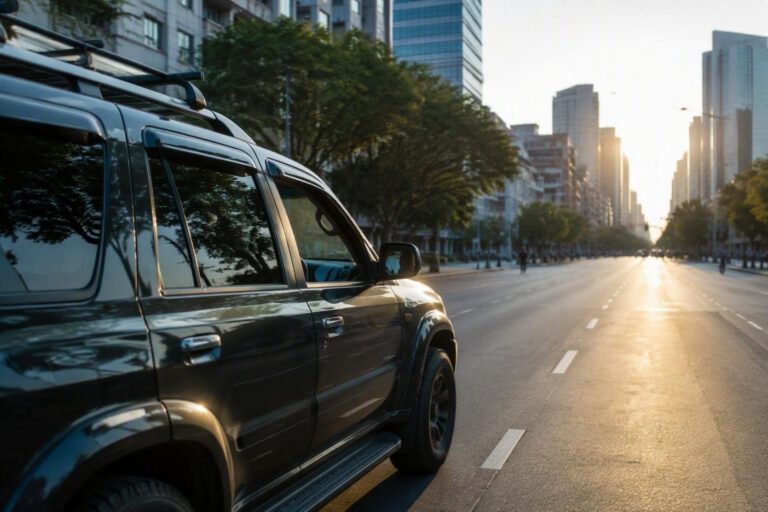
The rise of SUVs has been a significant trend in the automotive industry, with many consumers opting for these vehicles due to their perceived safety and practicality. However, this shift has also had a profound impact on urban life, affecting everything from parking and emissions to pedestrian safety.
One of the primary reasons for the popularity of SUVs is their design which often features a higher driving position and a more rugged appearance. This design aesthetic has been successful in appealing to consumers who value style and status.
Additionally, the marketing efforts of SUV manufacturers have been highly effective in promoting these vehicles as safe and practical choices for families and individuals alike.
The impact of SUVs on urban planning
The growing presence of SUVs in urban areas has significant implications for city planning.
For example, the larger size of SUVs requires more parking space which can lead to a reduction in available green spaces and pedestrian areas. Furthermore, the increased emissions from SUVs contribute to air pollution and climate change posing a threat to the health and well-being of urban residents.
Pedestrian safety concerns
The dominance of SUVs in urban areas also raises concerns about pedestrian safety. The larger size and weight of SUVs can make them more dangerous in the event of a collision, and their higher frontal profile can increase the risk of pedestrian fatalities. As a result, cities are being forced to rethink their urban design and traffic management strategies to prioritize pedestrian safety and cyclist safety.
In response to the challenges posed by SUVs, cities are implementing various policy measures to promote more sustainable and safe transportation options. For example, some cities are investing in public transportation systems and cycle infrastructure to encourage alternative modes of transport. Additionally, consumers can make more informed choices by opting for fuel-efficient vehicles or exploring car-sharing and car-pooling options.