

A new survey finds brits are rediscovering foreign city breaks after the pandemic, with rising demand across romantic breaks, cruises and villas — but some travellers with health conditions are skimping on cover.
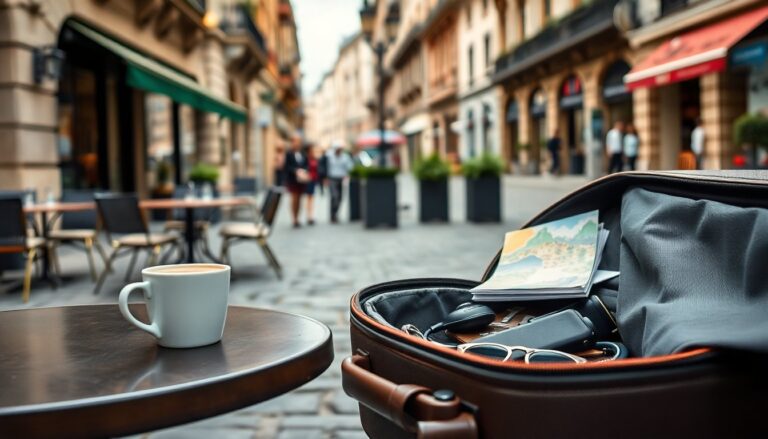
86% of British adults now plan to holiday abroad this year, up from about 70% two years ago, a recent survey finds. That jump marks a clear move away from the staycations and outdoor getaways that dominated the early 2020s.
Short international city trips are back in vogue, and holiday choices are becoming more varied than the classic sun-and-sand formula.
What the figures show
The survey points to a big uptick in city breaks and cultural trips. City visits—often shorter and more frequent than traditional week-long resort holidays—have surged in popularity.
Interest in city breaks rose from 18% to 38% over two years, more than doubling, while beach holidays still lead at 44% but are no longer the only dominant option. Popular short-haul destinations include Barcelona, Paris and Dublin.
That shift has practical consequences for the travel ecosystem.
Airlines and low-cost carriers are likely to see increased demand for frequent short-haul services. Booking platforms and hoteliers may need to rebalance inventory toward short-stay urban listings. Meanwhile, destination marketing should lean into events, museums and foodie scenes rather than only promoting sun and sea.
A richer mix of holiday types
Travellers are spreading their bets. Romantic breaks jumped to 22% from 9%, cruises climbed to 20% from 9%, private villa stays rose to 23% from 10% and relaxing hotels with pools increased to 32% from 17%. These numbers suggest people are planning multiple kinds of trips—mixing quick city escapes with longer, more indulgent getaways.
For travel businesses this means juggling a broader product range and different lead times. Short urban trips often come with shorter booking windows and different pricing pressures than villa lets or cruise packages. Operators that can adapt distribution, revenue management and product design will be better placed to capture both steady beach demand and the resurging city-break market.
Confidence, budgets and risk
There’s also evidence of rising traveller confidence. Among people with medical conditions, those viewing overseas holidays positively rose from 60% to 82%. Yet higher confidence hasn’t translated into uniformly stronger insurance cover: a notable minority prefer basic travel insurance or none at all, especially for short trips.
Cost sensitivity and trust in personal health help explain this, but the trend raises questions about product suitability and disclosure. Many consumers now look for modular policies that balance price with targeted medical and trip-interruption cover. Insurers will need clearer policy wording, easier-to-understand terms for pre-existing conditions, and options that match different travellers’ budgets and health needs.
Regulatory and operational angles
As travel patterns shift, so do regulatory priorities. Short-haul, cross-border services bring different compliance and consumer-protection challenges—cancellations, refunds and clear point-of-sale information become more urgent. Firms also need faster underwriting, better data sharing and streamlined claims handling to reduce complaints.
Insurers and tour operators should prepare for closer scrutiny of pricing transparency and sales practices. Monitoring take-up rates for specialist medical add-ons and claims frequency will be key early warning signs of stress in the market.
What this means for the sector
Urban tourism changes logistics: bookings are often last-minute, demand clusters around city centres, and value is increasingly tied to events, dining and cultural programming rather than just accommodation. Travel firms that design specialised short-stay packages, train front-line staff for quick-turn customer issues, and partner more closely across the ecosystem will be better able to meet shifting expectations.
What the figures show
The survey points to a big uptick in city breaks and cultural trips. City visits—often shorter and more frequent than traditional week-long resort holidays—have surged in popularity. Interest in city breaks rose from 18% to 38% over two years, more than doubling, while beach holidays still lead at 44% but are no longer the only dominant option. Popular short-haul destinations include Barcelona, Paris and Dublin.0
What the figures show
The survey points to a big uptick in city breaks and cultural trips. City visits—often shorter and more frequent than traditional week-long resort holidays—have surged in popularity. Interest in city breaks rose from 18% to 38% over two years, more than doubling, while beach holidays still lead at 44% but are no longer the only dominant option. Popular short-haul destinations include Barcelona, Paris and Dublin.1
