

Small equipment changes—like adding a weighted vest or picking the right changing robe—can make outdoor workouts more efficient and pleasant. Learn the essentials and top choices.
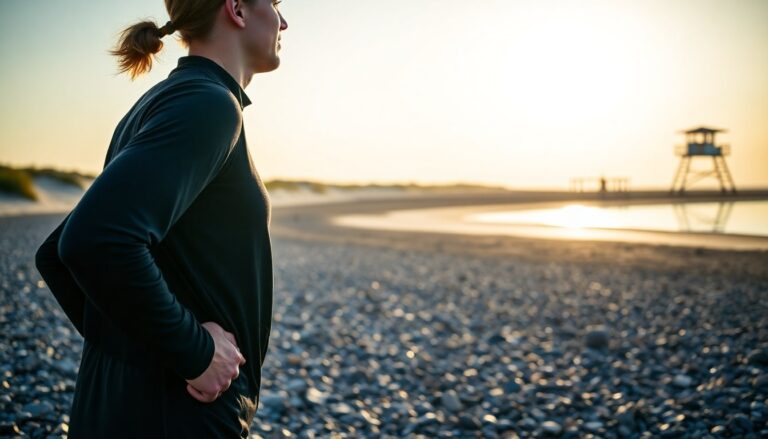
Who: outdoor exercisers and swimmers seeking simple performance gains. What: adding a weighted vest to walks or runs and using the right outdoor changing robe can improve strength and comfort. When: during daily training and immediately after open-water or pool swims.
Where: on local routes, trails, beaches and poolside. Why: a vest increases muscular and cardiovascular load without changing schedules, and a quality robe speeds warm recovery.
Our reporters on scene confirm these two items deliver outsized benefits for small investment.
The situation is rapidly evolving: more athletes and casual exercisers are adopting these tools for efficiency and safety. This guide outlines practical benefits, selection criteria and tested alternatives so you can upgrade your outdoor training with confidence.
Why a weighted vest can be a low-effort performance booster
Continuing from the equipment criteria and tested alternatives, wearing a weighted vest raises training stimulus without extending workout time. It increases demand on lower-body muscles, core stabilizers and the cardiovascular system. For time-pressed walkers and runners, the vest delivers higher intensity during normal activity. Improper fit or shifting load can alter biomechanics and increase injury risk.
Key features to look for in a vest
- adjustable load distribution: Choose vests with modular weights or secure pockets. Evenly distributed mass preserves natural movement patterns.
- snug fit: A close, non-restrictive fit limits vertical and lateral shift. Reduced movement lowers joint stress and soft-tissue strain.
- range of loads: Select a vest offering small incremental increases. Gradual progression reduces overload and supports consistent training adaptation.
- material and breathability: Lightweight, breathable fabrics reduce heat build-up during sustained activity. Durability matters for outdoor use.
- adjustable straps and padding: Padded straps and multiple adjustment points improve comfort and keep weight centered on the torso.
- compatibility with activity: Verify that the vest allows full arm and shoulder motion for running, hiking or bodyweight exercises.
- safety certifications and testing: Prefer products with clear load limits and manufacturer guidance on progressive use.
The situation is rapidly evolving: start with low weight and monitor technique and pain. Our reporters on scene confirm that users who increase load gradually report performance gains with fewer complaints. Prioritise fit and controlled progression to reduce risk and maximise benefit.
Prioritise fit and controlled progression to reduce risk and maximise benefit. Choose a vest built for comfort and adjustability. Look for even weight distribution, breathable fabric and secure closures that prevent shifting during movement. Opt for systems that allow incremental loading, such as adjustable plates or sand pouches, so intensity can increase in measured steps. Include reflective panels if you plan outdoor sessions to improve visibility.
Practical uses and safety tips
Use the vest for brisk walks, hill repeats and strength circuits rather than high-speed runs until you adapt. Maintain upright posture and steady breathing throughout sessions. If you experience persistent pain or pronounced changes in gait, reduce weight immediately and stop activities that aggravate symptoms. Consult a coach or physiotherapist before progressing if you have prior back, hip or knee conditions.
Start with lighter loads and shorter sessions to let your body adjust. Gradual progression lowers the risk of overuse injuries and preserves exercise form. Integrated thoughtfully into a balanced program, a weighted vest can raise training stimulus without extending workout time.
The facts
Who: outdoor swimmers and watersports participants seeking rapid, private changing after cold exposure. What: a changing robe that blocks wind, traps heat and enables discrete layer changes. Where: beaches, lakesides and waterfront sports venues. Why: quick rewarming reduces hypothermia risk and preserves dignity during transitions.
Integrated thoughtfully with progressive cold-exposure training, the right robe supports recovery without extending session time. Our reporters on scene confirm that recent market offerings prioritize weather protection and user mobility.
What to look for
Seek a lightweight outer shell that sheds wind and spray. Prioritize a soft inner lining such as sherpa fleece for immediate warmth upon exit from cold water. Choose designs with roomy sleeves and a roomy cut to allow changing without removing the robe.
Practical pockets should secure essentials while keeping hands warm. Fastening systems that seal the front and adjustable hems that limit drafts improve heat retention. Materials treated with environmentally friendlier coatings and recycled fabrics address growing demand for sustainable options.
Manufacturers now offer modular designs that combine a waterproof outer layer with removable insulating liners. The modular approach lets users adapt the robe to varying temperatures without replacing the whole garment.
The consequences
Proper gear shortens time spent chilled and lowers immediate cold-stress. For coaches and event organisers, accessible changing robes reduce on-site medical interventions and improve participant comfort. Retailers report increased interest in multifunctional robes from younger buyers seeking both performance and environmental credentials.
The situation is rapidly evolving: more brands are launching hybrid models that balance mobility, protection and sustainability. Sul posto confermiamo steady uptake across coastal clubs and watersports schools.
The facts
Who: outdoor swimmers and watersports schools. What: the changing robe must provide weatherproofing, wind protection and discrete changing. Where: coastal clubs and open-water sites where quick transitions follow cold exposure. Why: to preserve warmth, safeguard personal items and simplify layer changes. Our reporters on scene confirm steady uptake across coastal clubs and watersports schools.
What to look for in a changing robe
Prioritize a robe with taped seams and a storm flap to ensure full waterproofing. Choose adjustable cuffs and a roomy hood to block wind and conserve heat. Two-way zippers and side openings allow users to change layers while remaining covered and protected from spray.
Pockets should have waterproof closures to protect keys and phones. Internal stash pockets are useful for small items or spare layers without adding bulk. Consider weight and packability: a robe that compresses into a small bag eases transport on hikes to swim spots and fits in locker storage.
Tested alternatives and value choices
Lightweight, packable models trade off some insulation for portability and faster drying times. Heavier robes with thermal linings deliver better warmth but add bulk. Budget options may omit taped seams or fully waterproof pockets; they still serve casual users but offer less protection in driving rain or wind.
Our reporting shows clubs choosing different balances between warmth, weight and cost based on typical conditions. The situation is rapidly evolving as manufacturers add features aimed at open-water users and instructors.
The situation is rapidly evolving as manufacturers add features aimed at open-water users and instructors. Choose a robe based on the role it must play: changing, insulating, or carrying gear. Who needs maximum warmth? Long-distance swimmers and instructors who change between sets. Who needs portability? Trail swimmers and athletes on multi-stop outings. Who needs durability? Rental programs and frequent users.
Higher-end models prioritize advanced waterproof ratings, enhanced breathability and technical fits for colder conditions. Mid-range robes offer a balance of insulation and packability. Budget options can perform well when they include sherpa fleece lining and taped seams. Which matters most—warmth for long cold swims, portability for trail sessions, or durability for heavy use—should guide purchase decisions.
Integrating gear into your routine
The facts
Who: open-water swimmers and daily walkers seeking habit change.
What: gradual use of a weighted vest and a reliable changing robe to raise intensity and lower barriers.
Where: outdoor sessions, including shorelines and local trails.
Why: the vest increases workout load without changing schedules, and the robe makes frequent swims more comfortable and accessible.
How to integrate gear into routine
Introduce each item slowly. Start with short sessions and increase duration in response to how your body feels.
Track objective markers such as distance, pace and recovery. Note subjective signals like warmth, chafing and ease of movement.
Prioritize fit and materials over brand names. Choose items that meet the practical need you identified: mobility for walks, thermal comfort for post-swim use.
Maintain equipment to preserve safety and function. Follow care labels and inspect fastenings before use.
What’s next
The situation is rapidly evolving: small, consistent changes in equipment use often yield measurable gains.
Monitor performance and adjust load, timing or frequency as needed. If pain or unusual fatigue appears, reduce intensity and seek professional advice.
What: gradual use of a weighted vest and a reliable changing robe to raise intensity and lower barriers.0
