

A visual tour through archival pictures that capture the record shop era and snapshots of daily life in the early 1980s, from high-street scenes to local events
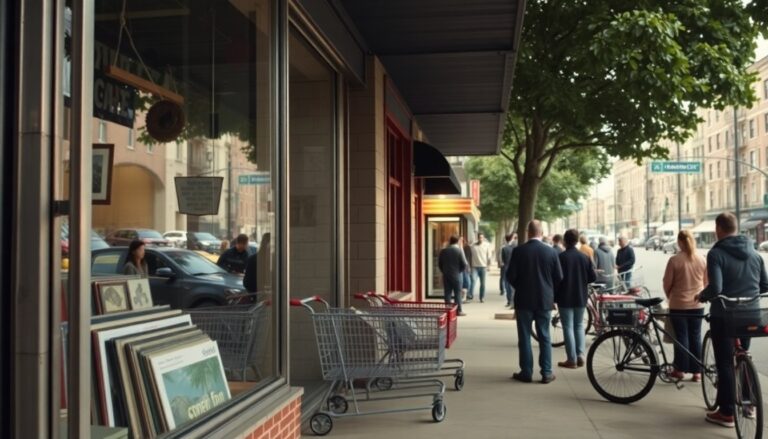
The archive photographs on display do more than prompt easy nostalgia; they map a social landscape where the record shop was a neighborhood hub. These images show more than racks of albums — they capture chance encounters at shop counters, friends swapping tips, parents collecting records for kids, and everyday civic life: school fetes, polling booths, market queues, factory gates.
Together, the frames connect the tactile rituals of buying music with the pulse of local routines and the broader social shifts of the early 1980s.
There are two ways to look at this material at once. One is sentimental: the warmth of a vanished scene, the look of a familiar corner that no longer exists.
The other is analytical: noticing what has changed — how public rituals that once structured everyday life have thinned as digital life thickened. Those small routines — listening booths, handshake recommendations, noticeboards full of flyers — helped knit communities together and make identity feel local and shared.
Rise and fall of the record shop
Once, independent record shops were discovery engines. Carefully curated displays, staff recommendations on slips of paper, listening booths and the slow ritual of flipping through sleeves turned browsing into a social activity, not just a purchase. Then formats and habits shifted: cassettes, CDs and later downloads and streaming remade how people accessed music. Many independents folded or were absorbed by chains; photographs of boarded-up shopfronts and empty aisles are a blunt record of that change.
But the story doesn’t end there. In recent years vinyl’s comeback — and a renewed appetite for physical, communal experiences — has brought many people back to independent shops. Thriving stores now mix the physical and the virtual: they host gigs, DJ nights and in-store launches, run online shops and limited releases, and treat their floors as venues for meeting, listening and learning. In short, they’ve turned retail into experience.
Practical takeaways for retailers
For both legacy shops and newcomers, the practical lesson is clear: invest in the in-person experience and community programming, while maintaining a simple but effective online presence. Keep straightforward records for any photographs, recordings or promotional materials: document consent for event photos, secure mailing lists and log how assets were obtained. These steps aren’t just bureaucratic — they reduce legal risk and build trust with patrons, helping a business endure.
Understanding the revival
The return to vinyl isn’t only about nostalgia. People enjoy the tactile pleasure of sleeves, the ceremony of dropping a needle and the slower act of listening that demands attention. Successful specialist shops respond by becoming hybrid spaces — part retailer, part performance venue, part workshop hub. Contemporary photographs of these reinvented places make a clear visual link between the old rituals and today’s adaptations.
If you’re repurposing or reopening a venue, anticipate practical challenges: licensing for live music, planning and noise constraints, and responsibilities around customer data. Address these early — secure event permits, document sound-mitigation measures, and adopt basic privacy practices — and events run more smoothly and sustainably.
Everyday life in the early 1980s
The archive doesn’t just preserve music culture; it preserves ordinary social choreography. Kids clustered around record players, shopkeepers pinning up flyers, markets stretched along pavements — these are moments that explain why the record-shop revival resonates. People miss communal discovery and the feeling of belonging that comes from shared places and shared rhythms.
Recreating that atmosphere today requires attention to space and programming. Listening corners, regular in-store performances and hands-on workshops encourage repeat visits and foster local ownership. And like any public activity, these require paperwork: permits, safety checks and permissions make negotiations with regulators easier and prevent last-minute snags.
Rights, provenance and ethical display
Putting historic photographs on view carries ethical and legal responsibilities. Who owns the images? Did the people pictured consent to public display? Data-protection rules and copyright law affect both access and reuse. Institutions should document provenance, track permissions, and balance public benefit against privacy concerns. Transparent records — noting where photos came from, what rights were obtained and any restrictions on use — let archives be both welcoming and accountable.
There are two ways to look at this material at once. One is sentimental: the warmth of a vanished scene, the look of a familiar corner that no longer exists. The other is analytical: noticing what has changed — how public rituals that once structured everyday life have thinned as digital life thickened. Those small routines — listening booths, handshake recommendations, noticeboards full of flyers — helped knit communities together and make identity feel local and shared.0
There are two ways to look at this material at once. One is sentimental: the warmth of a vanished scene, the look of a familiar corner that no longer exists. The other is analytical: noticing what has changed — how public rituals that once structured everyday life have thinned as digital life thickened. Those small routines — listening booths, handshake recommendations, noticeboards full of flyers — helped knit communities together and make identity feel local and shared.1
