

A concise guide to selecting the most efficient electric heaters and reliable built-in ovens, covering testing criteria, key features and sizing considerations
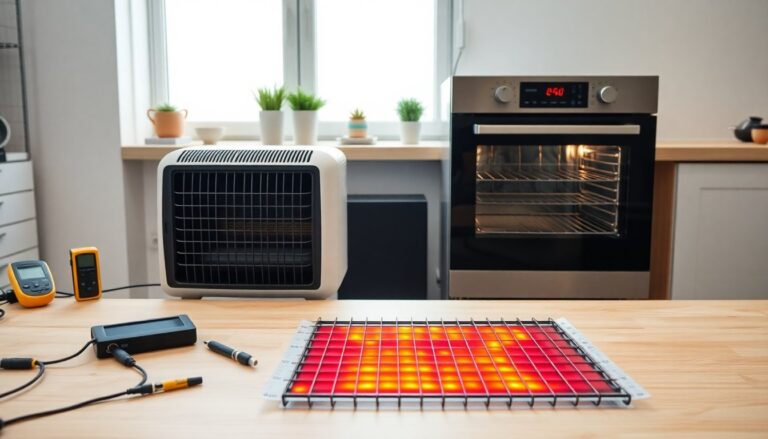
Let’s tell the truth: upgrading household appliances is rarely about style alone. It is about warmth, cooking accuracy and long-term running costs. This report compares two everyday categories: electric heaters for indoor comfort and built-in ovens for consistent cooking.
It relies on independent testing methods to highlight the metrics that determine real-world performance.
Tests matter more than glossy marketing. Independent measurements of energy consumption, heat distribution and control accuracy reveal how devices actually behave. Noise levels for heaters and cleaning systems for ovens are small details that shape day-to-day satisfaction and ownership costs.
How appliances are tested and why it matters
The emperor has no clothes, and I’m telling you: not all tests are equal. Some reports list only manufacturer figures. Others use repeatable laboratory procedures under controlled conditions. Lab-based tests that simulate typical household use produce the most useful results.
Key test metrics include steady-state energy draw, transient power during start-up, temperature uniformity across the heated space or oven cavity, and thermostat accuracy. For heaters, effective room coverage and sound emissions are measured. For ovens, degree distribution across racks and recovery time after door opening are recorded.
Reliable testing also reports methodology and uncertainty. Look for sample sizes, environmental conditions and measurement tools. Without those details, performance claims remain marketing messages rather than verifiable facts.
Let’s tell the truth: without standardized data, manufacturer claims are marketing, not proof. Independent labs produce repeatable figures so comparisons hold weight.
For electric heaters, tests record energy consumption, delivered heat and operational noise under fixed conditions. Labs report watts drawn per hour, temperature rise at set distances and decibel levels at common settings. Models that score well combine sustained warmth with restrained power draw across modes, not just peak output in a single advertised setting.
For built-in ovens, evaluations map heat distribution across the cavity, verify control accuracy at multiple setpoints and assess cleaning systems. Testers run regulated bake and roast cycles, measure temperature variance across racks and time, and judge residual soiling after manufacturer-recommended cleaning routines.
Key test metrics explained
Energy consumption: total electrical input measured over standardized cycles. Lower consumption for equivalent output indicates higher efficiency.
Heat output and distribution: peak temperature and uniformity across the cooking or heating zone. Narrow variance equals predictable performance.
Control accuracy: how closely the appliance maintains selected temperatures across repeated trials. Tight control reduces overcooking and wasted energy.
Noise: continuous sound level measured in decibels at defined distances and settings. Persistent high noise can undermine perceived quality.
Cleaning effectiveness: residue remaining after prescribed cleaning cycles, judged against objective scoring criteria. Ease of maintenance affects lifetime cost and hygiene.
The emperor has no clothes, and I’m telling you: buyers should demand these figures. Independent metrics separate durable, efficient appliances from those that merely look good on the spec sheet.
Next, the article will examine how these metrics influence long-term costs and reliability, using recent lab data and lifecycle estimates.
Let’s tell the truth: laboratory measures matter because they convert marketing claims into comparable facts. Independent tests link energy consumption, heat distribution and control accuracy to real operating costs and to how long a unit performs within acceptable tolerances.
Energy use determines running costs over the product’s life. Heat spread affects how quickly and evenly a space or cooking surface reaches target conditions. Control precision influences wasted cycles and user adjustments, which add to wear and bills. Noise and ease of cleaning shape daily satisfaction and, indirectly, maintenance schedules.
The emperor has no clothes, and I’m telling you: small percentage differences in laboratory efficiency can become meaningful expenses over years. Manufacturers often report peak performance; independent lifecycle estimates show average performance under repeatable conditions. Those averages predict replacement intervals and total cost of ownership better than single-cycle claims.
Next, the article will examine independent lab data and lifecycle estimates to quantify how these metrics affect long-term costs and reliability. The analysis will compare comparable test protocols, note common failure modes, and highlight which measurements best forecast durable, low-cost operation.
Choosing the right electric heater
Let’s tell the truth: buying a heater is a practical decision, not a style statement. Match the unit to room size, insulation and expected runtime. Measure the room or check floor area on property listings. Smaller, well-insulated rooms need less power than large, poorly insulated spaces.
The emperor has no clothes, and I’m telling you: different technologies suit different uses. Fan-assisted heaters warm air quickly and work well for rapid comfort. Infrared heaters heat objects and people directly and excel for targeted or spot heating. Convection models provide steady, even warmth for continuous use.
Prioritize verified efficiency and controls. Look for honest energy-efficiency ratings and accurate thermostats. Prefer timers, programmable settings and eco modes when you expect long runtimes. If the heater will operate in a bedroom or home office, check rated sound levels and control precision.
Safety must be non-negotiable. Choose models with tip-over cutouts, overheat protection and clear safety certifications. Verify cord quality, plug type compatibility and whether the unit has a cool-touch housing for families or pets.
Practical shopping tips:
- Confirm real power draw on independent test reports, not just manufacturer claims.
- Assess thermostat accuracy and response time; a slow thermostat wastes energy.
- Check warranty length and the availability of spare parts and service.
- Consider placement: keep clearances from furniture and avoid obstructing airflow.
- Prefer units with simple, repairable components over sealed, disposable designs.
I know it’s not popular to say it, but price alone is a poor guide. Cheap units often cost more over time through poor control and short life. The best purchases pair verified performance data with a minimum two-year warranty and accessible service options.
Practical shopping tips for heaters
Let’s tell the truth: reliable performance data matter more than marketing claims when choosing a built-in oven or any heating appliance.
The most important criteria are independent measurements of input wattage versus actual delivered heat, and verified runtime energy costs. Units with thermostats and programmable timers typically use less energy than basic on/off models because they avoid unnecessary cycles. If acoustic performance is relevant, rely on decibel ratings produced by third-party tests rather than vendor estimates. Match the appliance’s rated output to the room’s volume in cubic metres; underpowered equipment will run longer and increase operating costs over time.
The emperor has no clothes, and I’m telling you: always prioritise tested figures, a clear service plan and at least a two-year warranty when the bill arrives and the unit is in use.
Picking the right built-in oven for your kitchen
Picking the right built-in oven for your kitchen requires matching format to cooking habits and available space. Let’s tell the truth: form factors matter more than styling when daily use is considered.
A single oven suits most households. It provides flexibility for everyday baking and roasting. A double oven creates separate cooking zones for simultaneous dishes. That configuration benefits large families and frequent entertainers. Compact ovens save space but sacrifice internal volume and flexibility.
The emperor has no clothes, and I’m telling you: manufacturer litres can be misleading. Compare the oven’s usable capacity rather than the advertised figure. Internal features such as cavity shape, shelf runners and fan placement reduce the space you can actually use.
Measure with real cookware in mind. Check clearances for roasting tins and tall dishes. Note fixed elements that block shelf positions. Where possible, inspect the oven in store or consult independent tests that report usable internal dimensions.
Features that improve cooking results
Let’s tell the truth: many buyers focus on looks and miss practical features that matter in daily use.
Where possible, inspect the oven in store or consult independent tests that report usable internal dimensions.
Choose a model with a fan convection system when you want quicker, more even cooking. These ovens circulate air to reduce hot spots and improve browning. Multifunction models combine top and bottom heat, grilling and defrosting. They add flexibility but can complicate controls.
Useful extras include a meat probe for accurate doneness and digital timers for repeatable results. Consider pyrolytic or steam-cleaning cycles to reduce maintenance time. If energy use matters, compare preheat times and rated running costs reported by independent laboratories rather than relying on manufacturer claims.
Installation, sizing and buying considerations
Measure the cavity carefully before purchase. Internal dimensions and rack positions determine what you can actually cook. Depth and height affect sheet-pan and roasting capacity. Don’t assume two ovens with similar external sizes offer the same usable space.
Verify ventilation and clearances in the kitchen. Built-in units require correct housing and airflow to avoid overheating. Check whether the model needs a dedicated circuit and whether installation will need an electrician.
Consider control layout and user interface. Intuitive controls speed workflow. Complex menus can slow down everyday cooking, especially for younger users who value immediacy and clarity.
Factor in serviceability and warranty terms. Accessibility of replaceable parts and the length and coverage of the warranty affect lifetime cost. Look for models with widely available service networks in your region.
The emperor has no clothes, and I’m telling you: the best-looking oven is worthless if it does not fit your pans or your power supply. Prioritise usable capacity, reliable controls and verified energy performance when making the final choice.
Appliance fit and practical checks
Prioritise usable capacity, reliable controls and verified energy performance when making the final choice. Let’s tell the truth: fit and ventilation are the details that make or break ownership.
For ovens, standard widths ease replacements. Heights and formats vary between single, double and compact models. Measure the existing cabinet cutout and confirm the manufacturer’s recommended ventilation gaps before purchase.
For space heaters, decide whether a freestanding or wall-mounted unit suits your floor plan and safety constraints. Check warranty terms and local service coverage to avoid surprise costs after the sale.
Buying channels and aftercare
Purchasing from retailers that provide delivery, installation and appliance recycling reduces logistical friction. Those services also limit hidden costs tied to haulage and disposal.
How to separate real performance from marketing
The emperor has no clothes, and I’m telling you: marketing often dresses inferior products in attractive language. Independent lab testing and transparent metrics remain the most reliable filters.
Focus on energy efficiency, measured heat quality and documented noise or temperature stability. Prioritise appliances with repeatable, third-party results over unverified manufacturer claims.
Final practical checklist
Confirm physical fit and ventilation clearances. Verify service and warranty coverage. Choose sellers that include installation and recycling if you want fewer hassles. Prefer models with independent test results for energy and performance.
Expected outcome: a replacement or new purchase that fits your space, performs to published standards and lowers running costs over time.
